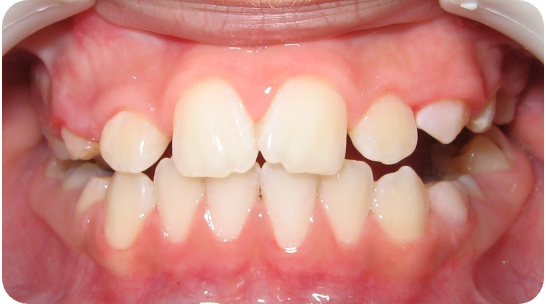
Early Orthodontic Check-Ups:
A Simple Guide for Parents
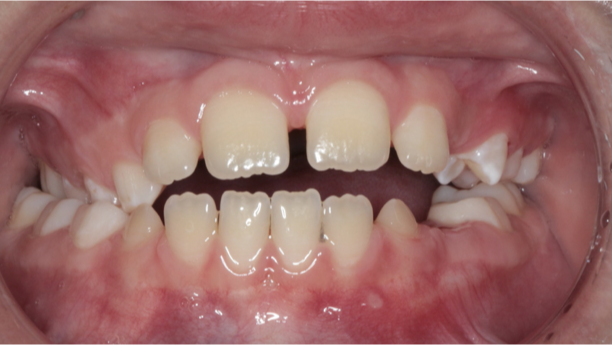
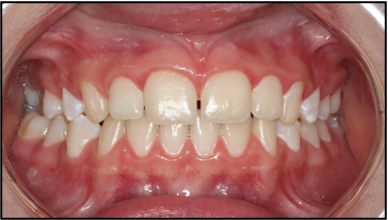
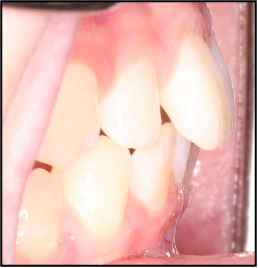
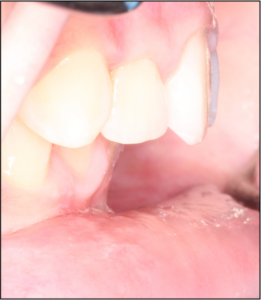
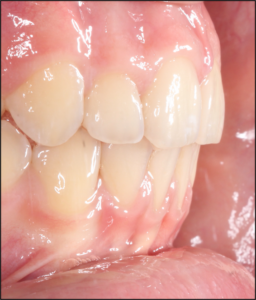
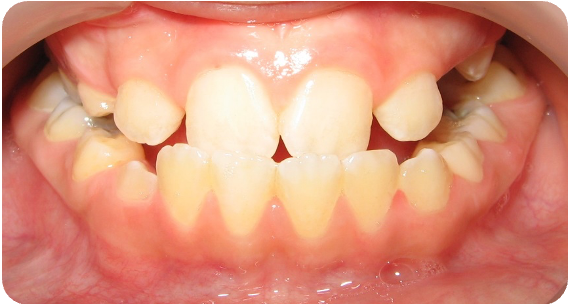
Orthodontic check-ups around 7 years of age help assess how a child’s teeth, jaws, and bite are developing. By this age, enough permanent teeth have usually erupted to allow early identification of bite issues such as a narrow upper jaw, overbite, or underbite. At this stage, potential dental problems can often be recognised early and, in some cases, prevented or reduced.
International orthodontic organisations, including the American Association of Orthodontists (AAO) and the British Orthodontic Society (BOS), recommend that children receive an orthodontic assessment by around age 7, even if no obvious problems are present.
Some orthodontic concerns are easier to manage when identified early, particularly in growing children — even if treatment is not required immediately.
What can an early orthodontic assessment identify?
An early orthodontic check may help identify:
- Bite problems, such as underbites or crossbites
- Crowding or lack of space for permanent teeth
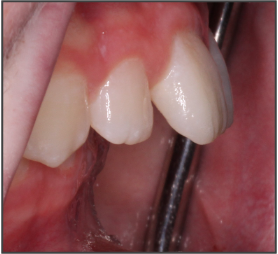
- Protruding front teeth, which may be more vulnerable to injury
- Teeth that are missing, extra, or slow to erupt
- Abnormally shaped or incorrectly positioned teeth
- Habits such as thumb-sucking or mouth breathing that may influence jaw growth
Does this mean my child needs braces now?
Not necessarily. Many children only require monitoring rather than immediate treatment. Early orthodontic assessment simply helps ensure that, if treatment is needed later, it can be planned at the most appropriate time during growth.
Why early assessment is helpful
Early orthodontic checks can:
- Identify potential problems before they become more complex
- Help plan treatment around natural growth and development
- Provide reassurance and a clear development plan for families
Even when no treatment is required, early assessment helps ensure that your child’s smile is developing in a healthy and balanced way.
Evidence-Informed Orthodontic Care
Orthodontic treatment recommendations are guided by scientific research as well as clinical expertise.
Research involving growing patients has shown that children generally adapt well to orthodontic functional appliances used by specialist orthodontists, with acceptance and comfort improving as treatment progresses (Idris et al, European Journal of Paediatric Dentistry).
In addition to improving bite development, certain orthodontic appliances may also help address sleep-related breathing concerns in children. Clinical trials have demonstrated that mandibular advancement appliances can improve airway function and reduce symptoms associated with sleep-disordered breathing, including snoring and paediatric sleep apnoea, in appropriately selected patients (Idris et al., Journal of Dentistry).
Functional appliances have also been shown to contribute to improvements in jaw relationships, facial profile, and bite alignment during growth when used at the appropriate stage of development (Idris et al, European Journal of Orthodontics).
These findings highlight the importance of careful assessment and treatment planning by qualified orthodontic specialists, particularly when managing growth-related orthodontic concerns in children.
Key Message for Parents
An orthodontic check at around 7 years old does not mean braces are needed immediately. In many cases, it simply allows the orthodontist to monitor growth and guide development so that, if treatment is required later, it can be done at the right time and often more efficiently.