

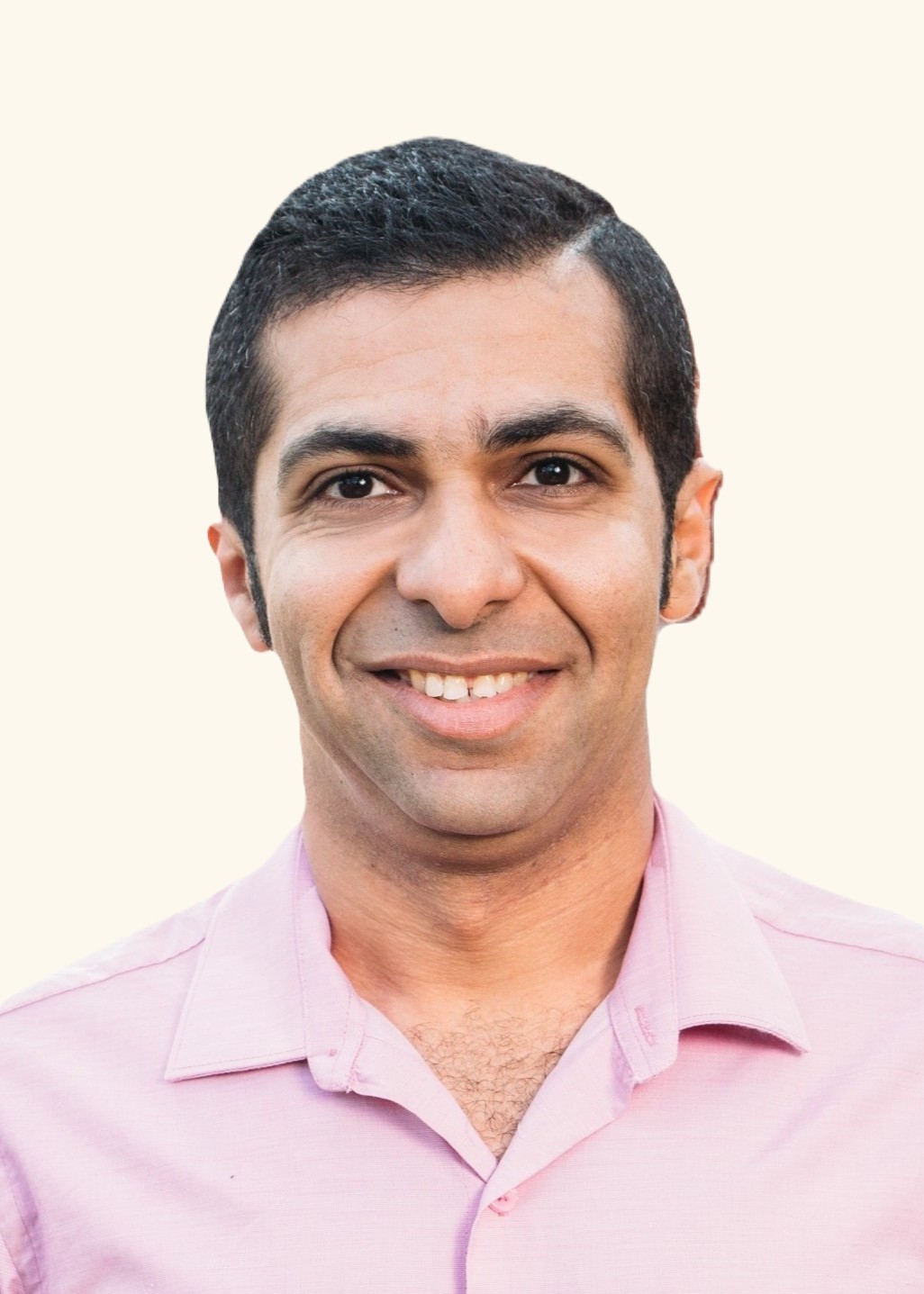
Dr. Mahmoud Bakr
Special interest in management of temporomandibular disorders
Biography
A.Prof Mahmoud Bakr (BDS [Cairo]; MDS; PhD; GCertHigherEd; ADC; SFHEA, FICD, FPFA, FACAM) is an Associate Professor in General Dental Practice with over 20 years of academic and clinical experience. A.Prof Bakr has a special interest in general dentistry, temporomandibular disorders, and the application of Botulinum toxin in dentistry, combining extensive expertise in oral biology and head & neck anatomy with evidence-based clinical practice.
A.Prof Bakr currently serves as an Examiner for the Australian Dental Council and is a Member of the AHPRA hearing panel. He has established himself as a leading authority in dental education and TMD management, with 55+ peer-reviewed publications on dental topics, including extensive research on Botulinum toxin applications in dentistry.
Practice Areas
- Temporomandibular disorders (TMD) management
- Botulinum toxin in dentistry
- Sleep apnoea management
- Dental education
- Oral biology and head & neck anatomy
Education & Professional Credentials
- Bachelor of Dental Surgery BDS, Cairo University
- Masters of Dental Surgery MDS
- Graduate Certificate in Higher Education
- PhD, Griffith Univeristy
- Senior Fellow, Higher Education Academy (SFHEA)
- Fellow of the International College of Dentists (FICD)
- Fellow of the Pierre Fauchard Academy (FPFA)
- Fellow of the Australasian College of Aesthetic Medicine (FACAM)
- Australian Dental Council Certified (ADC)
- Former Clinical Director, School of Dentistry, Griffith University
- Examiner, Australian Dental Council
- Member, AHPRA Hearing Panel
- More than 20 years academic and clinical experience in Australia and overseas
- Over 55 peer-reviewed publications on dental topics
Philosophy & Approach
A.Prof Bakr is committed to advancing contemporary dental practice through education, innovation, and evidence-based care. His clinical focus includes the integration of Botulinum toxin therapy within comprehensive TMD management, supported by a detailed understanding of facial muscle anatomy, medico-legal considerations, and practical clinical application. This structured, safety-focused approach ensures optimal patient outcomes while upholding the highest standards of professional and ethical practice.